
Build cross-domain reasoning into the learning itself.
Students are often expected to transfer “critical thinking” from one course, discipline, or problem to another. But transfer is difficult when the underlying reasoning process changes or remains largely implicit.
A universal architecture creates a different possibility.
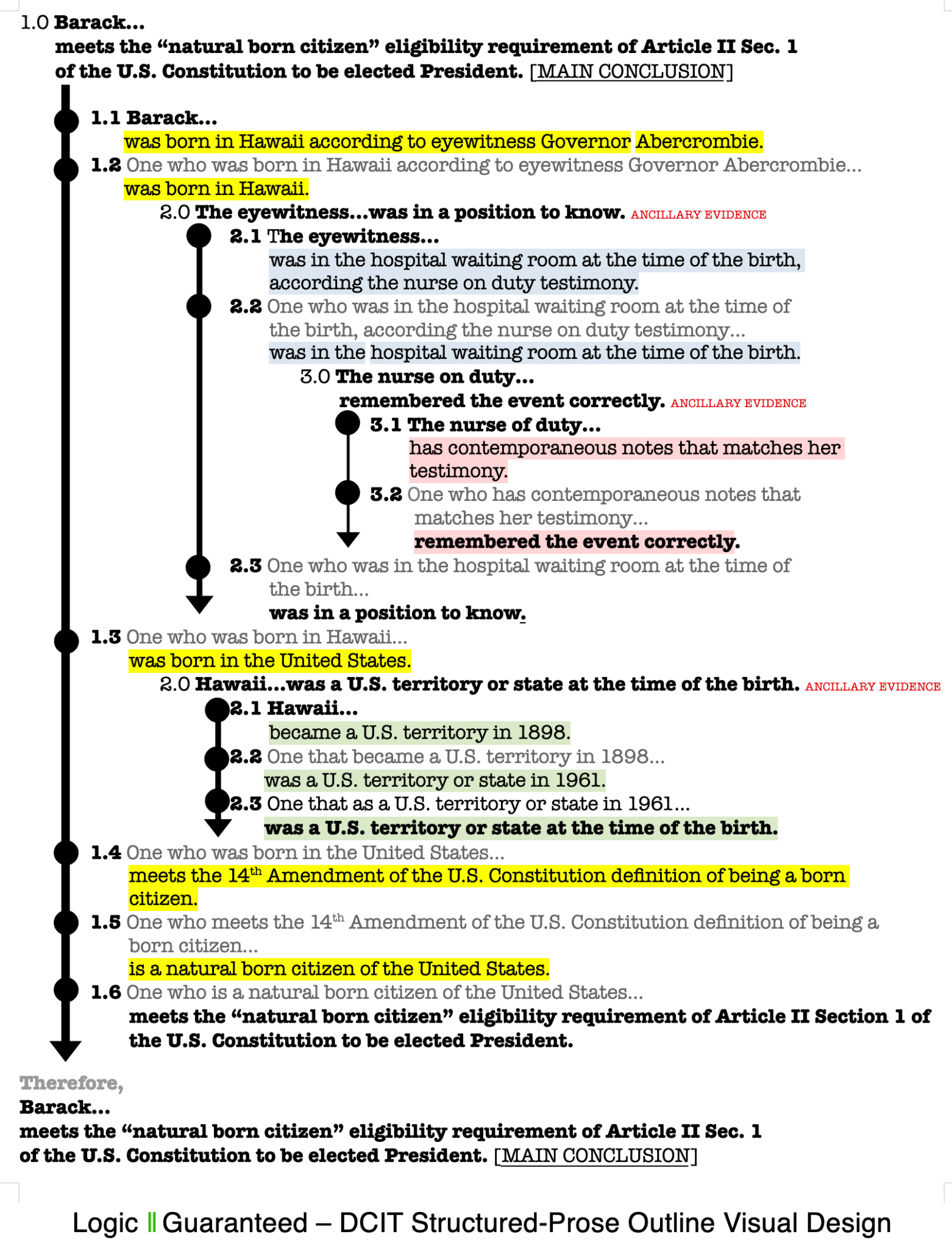
Students can learn one underlying reasoning structure and repeatedly apply it to fundamentally different real-world problems. The subject matter changes. The evidence changes. The uncertainty and stakes change. The architecture they use to construct, examine, challenge, and improve their reasoning does not.
For the right partner, the opportunity is not simply another critical thinking course. It is a laboratory combining LG’s architecture and methodology with an institution’s expertise and assessment capabilities.
Explore an Educational Partnership ↗One architecture. Five worlds.
Evaluate competing explanations from uncertain evidence.
Construct and challenge arguments where evidence, rules, values, and consequences intersect.
Make consequential decisions under incomplete information and competing forecasts.
Assess conflicting sources, causal claims, and competing narratives.
Examine AI-assisted reasoning, locate unsupported steps or assumptions, and determine what deserves confidence.
Different knowledge. Different evidence. Different stakes.
The same underlying architecture.